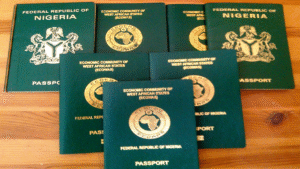


More Nigerians are exploring opportunities to travel to Europe for education, employment, business and tourism, but obtaining a Schengen visa can be a demanding process.
Applicants are generally required to provide supporting documents, demonstrate the purpose of their trip and satisfy the financial, accommodation and other requirements applicable to their visa category.
While no Schengen country can guarantee an easy visa or approval for Nigerian applicants, some destinations may appeal to applicants because of their established study, work or travel routes and clearly defined application procedures.
Here are eight Schengen countries Nigerians may consider when planning a visa application in 2026:
- Germany
Germany is a popular destination for Nigerian students, skilled workers and other travellers. Its visa categories include study, employment and short-stay visas, with requirements varying according to the purpose of travel.
Popular routes: Student visa, work visa and short-stay visa.
Germany is also known for its large number of public universities, some of which charge relatively low tuition fees, although students still need to meet living-cost and other visa requirements.
- France
France remains a popular destination for Nigerians travelling for tourism, education, business and other purposes.
Applicants can apply for short-stay visas as well as long-stay visas for purposes such as study and employment. France also has established educational and scholarship opportunities for international students.
Popular routes: Short-stay visa, student visa and long-stay visa.
- Poland
Poland has become an increasingly popular destination for international students, including Nigerians, because of its universities and comparatively moderate living costs in some cities.
Nigerians seeking to study or work in Poland must meet the relevant visa or residence requirements.
Popular routes: Student visa and work-related residence routes.
- Finland
Finland attracts international students and skilled professionals, particularly in areas such as technology and engineering.
For longer stays, applicants generally need to apply for the appropriate residence permit rather than a conventional short-stay Schengen visa.
Popular routes: Student residence permit and work-based residence permit.
- Sweden
Sweden is another established destination for international students and skilled professionals. Several Swedish universities offer programmes taught in English, making the country attractive to international applicants.
The requirements and application process depend on whether the applicant is travelling for a short visit or seeking a longer-term residence permit.
Popular routes: Short-stay visa, student residence permit and work-related residence permit.
- Hungary
Hungary is particularly popular among international students, partly because of scholarship opportunities such as the Stipendium Hungaricum programme.
Applicants can also seek short-stay visas for tourism and other permitted purposes, subject to the applicable requirements.
Popular routes: Student residence permit and short-stay visa.
- Lithuania
Lithuania has attracted international students and professionals in recent years and offers study and employment-related immigration routes.
Applicants should check the specific requirements for their intended purpose of travel, as procedures differ between short visits and longer stays.
Popular routes: Student and employment-related residence routes.
- Czech Republic
The Czech Republic, officially Czechia, is another Schengen destination considered by international students, tourists and business travellers.
Its universities and relatively moderate living costs in some locations have made it an option for international students, although applicants must satisfy all applicable visa and residence requirements.
Popular routes:Student, short-stay and business-related visas.
What Nigerian applicants should know
There is no Schengen country that automatically offers Nigerians an “easy visa”. Visa decisions are based on the applicant’s circumstances and the requirements of the specific visa category.
Applicants should therefore focus on providing genuine and verifiable documents, demonstrating the purpose of their trip, meeting financial requirements and following the instructions of the relevant embassy or authorised visa application centre.
Applicants should also check current requirements before submitting an application because visa rules, fees, appointment procedures and supporting-document requirements can change.
A strong application does not guarantee approval, and applicants should be wary of agents or websites promising guaranteed Schengen visas.