

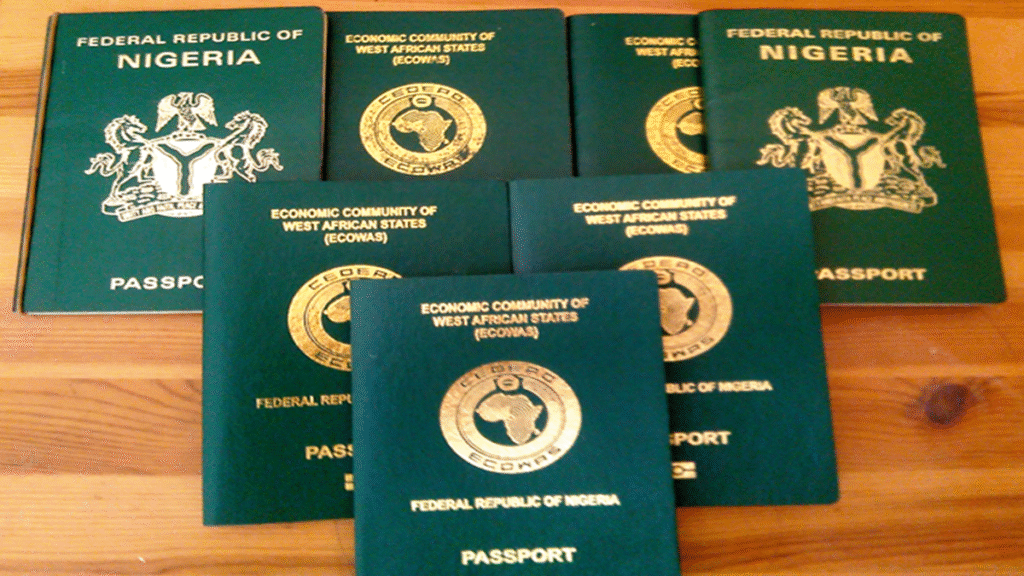
Travelling outside Nigeria is becoming increasingly accessible, with fewer barriers such as lengthy embassy processes, high visa fees, and the risk of application rejection.
According to the 2026 Henley Passport Index, Nigeria currently ranks 89th globally, with its passport granting access to 44 countries through visa-free entry or visa-on-arrival arrangements.
For Nigerians looking to explore international destinations or build travel history without breaking the bank, this updated 2026 guide highlights key countries and essential travel tips.
Understanding “Visa-Free” Travel
Visa-free travel does not always mean completely free entry.
Explaining the distinction, Ghana’s foreign minister noted that while “visa-free” implies no visa requirement, some destinations offering visa-on-arrival or e-visa options still charge processing fees, typically ranging between $20 and $100.
Travellers are advised to confirm current fees through official government portals before making travel plans.
African Countries Offer Easiest Access
Africa remains the most accessible region for Nigerian travellers, particularly within West Africa, due to regional agreements under ECOWAS.
Here are 44 Countries Nigerians can visit without a visa in 2026
West Africa (Visa-Free Access)
• Benin Republic (90 days)
• Burkina Faso
• Cameroon (90 days)
• Chad (3 months)
• Côte d’Ivoire
• The Gambia
• Ghana
• Guinea
• Guinea-Bissau
• Liberia
• Mali
• Niger
• Senegal (90 days)
• Sierra Leone
• Togo
These destinations are considered ideal for first-time international travellers seeking affordable trips.
East & Southern Africa
• Burundi (Visa-on-arrival)
• Djibouti (Visa-free)
• Kenya (60 days, with online registration)
• Madagascar (Visa-on-arrival)
• Mauritius (Visa-on-arrival)
• Rwanda (Visa-on-arrival)
• Seychelles (Travel authorisation required)
• Mozambique (Visa-on-arrival)
These locations are popular for tourism, wildlife, and nature experiences.
Caribbean (Visa-Free Access)
• Barbados (180 days)
• Dominica (6 months)
• Haiti (3 months)
• Montserrat
• St Kitts and Nevis (3 months)
Asia
• Cambodia (Visa-free)
• Iran (Visa-free)
• Lebanon (Visa-on-arrival)
• Maldives (Visa-on-arrival)
• Timor-Leste (Visa-on-arrival)
Oceania / Pacific Islands
• Fiji (4 months)
• Kiribati (90 days)
• Micronesia (30 days)
• Niue
• Palau (Visa-on-arrival)
• Samoa (Visa-on-arrival)
• Tuvalu (Visa-on-arrival)
• Vanuatu (30 days)
• Cook Islands
Other Island Destinations
• Cape Verde (Visa-on-arrival, with EASE registration)
• Comoros (Visa-on-arrival)
Key Travel Requirements Nigerians Must Note
Despite relaxed visa policies, travellers must still meet certain entry requirements to avoid being denied boarding or entry.
Valid Identification:
While a Nigerian passport remains the primary travel document, the ECOWAS National Biometric Identity Card is increasingly accepted across West African countries such as Ghana, Senegal, and Côte d’Ivoire.
Health Documentation:
A Yellow Fever Vaccination Certificate, commonly known as the Yellow Card, is mandatory for entry into most African and Caribbean countries.
Proof of Funds and Travel Plans:
Travellers may be required to present bank statements, proof of sufficient funds, return flight tickets, and confirmed accommodation bookings.
Building Travel History Matters
Travel experts advise Nigerians seeking visas to countries like the United Kingdom, United States, or Schengen states to build a strong travel history.
Frequent trips within West Africa are beneficial, but stamps from countries such as Mauritius, Seychelles, Rwanda, and Barbados can significantly improve visa approval chances.
A passport with diverse travel records across continents demonstrates credibility and positions applicants as genuine tourists, reducing the likelihood of visa rejection.