

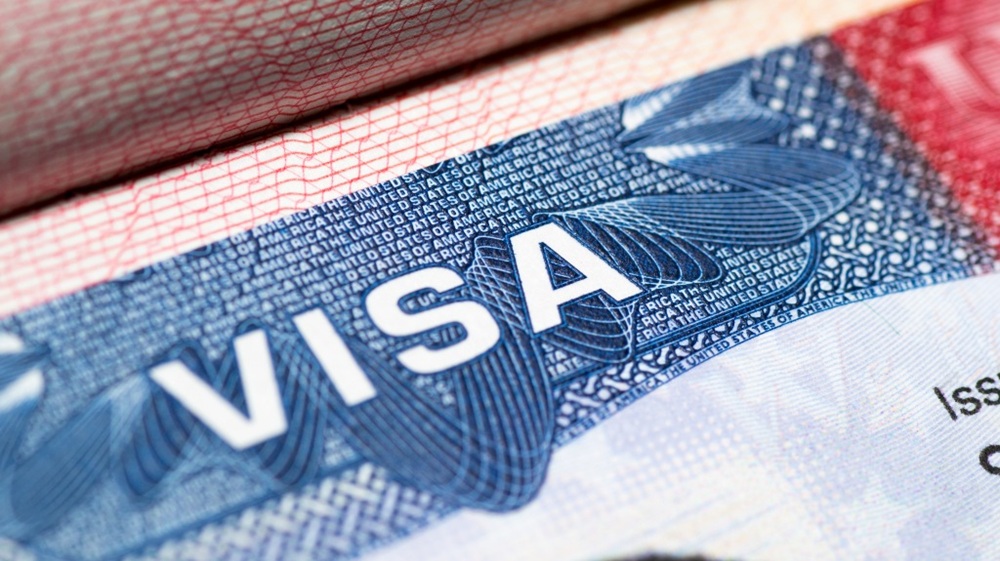
The United States Department of State has introduced a new visa bond policy affecting nationals from dozens of countries, including Nigeria, as part of efforts to curb visa overstays.
Under the new directive, eligible applicants for B1/B2 (tourist/business) visas from the listed countries will be required to post a refundable bond ranging from $5,000 to $15,000. The policy is being implemented in phases, with Nigeria and several others scheduled from January 21, 2026.
Affected Countries and Timeline
The policy applies to nationals from multiple regions, including Africa, Asia, and parts of Europe and the Caribbean. Countries such as Algeria, Angola, Bangladesh, Ethiopia, Ghana (not listed but often compared regionally), Senegal, Uganda, and Zimbabwe are among those affected, with implementation dates ranging from August 2025 to April 2026.
Nigeria’s inclusion places it among countries with higher U.S. visa overstay rates, according to data from the Department of Homeland Security.
How the Visa Bond Works
The visa bond requirement is backed by provisions under the Immigration and Nationality Act and a Temporary Final Rule establishing a pilot programme.
Applicants deemed eligible for a visa must:
- Pay a bond of $5,000, $10,000, or $15,000, determined during the visa interview
- Complete and submit Form I-352 issued by the Department of Homeland Security
- Make payments through the U.S. Treasury’s official platform, Pay.gov
Authorities stressed that applicants should only proceed with payment after being instructed by a consular officer, warning that payments made outside official channels will not be refunded.
Importantly, the bond does not guarantee visa approval.
Entry Restrictions for Bond Holders
As part of the conditions, visa bond holders must enter and exit the United States through designated ports of entry.
These include all commercial international airports and approved preclearance locations. However, entry through land borders, sea ports, charter flights, or private aviation is prohibited for those under the bond scheme.
Refund and Compliance Conditions
The bond will be refunded automatically if:
- The visa holder departs the U.S. within the authorised period
- The visa holder does not travel before the visa expires
- Entry into the United States is denied at the port of entry
Penalties for Violations
Cases of non-compliance will be reviewed by the U.S. Citizenship and Immigration Services to determine if a breach has occurred.
Violations may include overstaying beyond the approved duration or attempting to change immigration status after entry, including applying for asylum.
The new visa bond policy is part of broader measures by U.S. authorities to strengthen immigration compliance and reduce overstays among temporary visitors.