
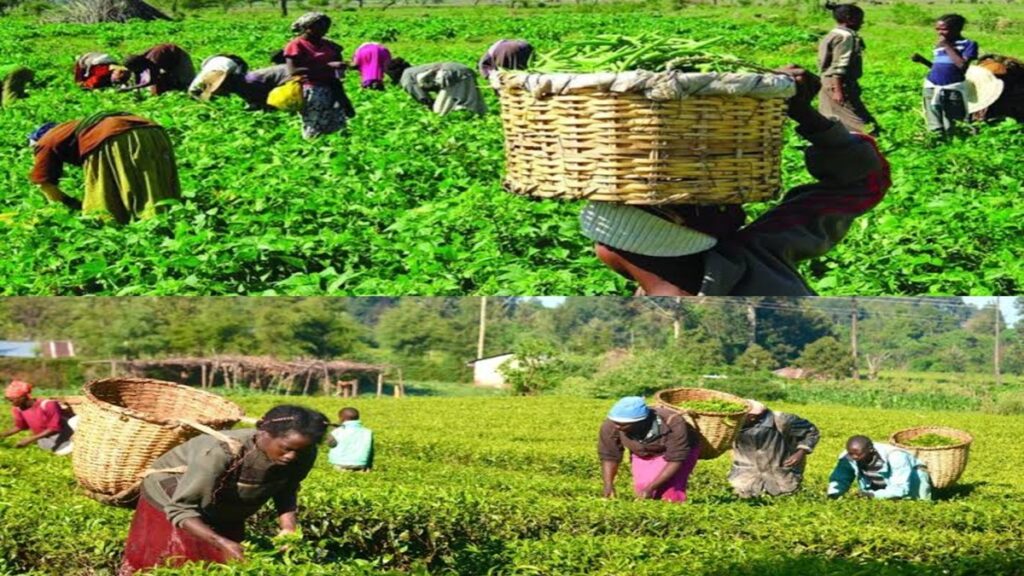
Africa is home to some of the world’s most important agricultural producing countries, with farmers across the continent supplying major food crops, cash crops and export commodities to local and international markets.
From cassava and yam in Nigeria to cocoa in Côte d’Ivoire, tea in Kenya and vanilla in Madagascar, individual African countries have developed strong positions in specific agricultural commodities because of their climate, soils, farming traditions and investment in commercial agriculture.
Production rankings can vary depending on the crop and the year being considered. However, available agricultural data and industry records show that several African countries stand out for their production of major commodities.
Here are 11 African countries notable for leading or ranking prominently in the production of selected agricultural products.
1. Nigeria
Nigeria has one of Africa’s largest agricultural sectors and is particularly dominant in the production of crops such as cassava and yam.
The country is recognised as the world’s largest cassava producer, according to Food and Agriculture Organization data cited by FAO. Nigeria is also a major producer of yam, rice, bananas and other food and cash crops.
Agriculture remains an important source of employment and income in Nigeria, with millions of households involved in crop and livestock production.
2. South Africa
South Africa is one of the continent’s leading commercial agricultural producers, with a highly developed farming and export sector.
The country is particularly prominent in maize production and is also a major producer of fruit, including apples. Its relatively advanced agricultural infrastructure, commercial farms and established export networks have helped South African produce reach markets around the world.
Read Also: Emirates Rawabi, ReFarm Global partner to drive sustainable agriculture, greening in UAE
3. Ethiopia
Ethiopia is one of Africa’s most important agricultural economies and has a particularly strong position in coffee production.
Coffee is one of the country’s best-known agricultural exports, while wheat, maize, barley, pulses and livestock also form important parts of the agricultural sector.
The country’s highlands provide favourable conditions for coffee cultivation, helping Ethiopia maintain its reputation as one of the world’s major coffee-producing origins.
4. Tanzania
Tanzania is a major agricultural producer in East Africa and is particularly important in the production of beans and other food crops.
The country has also strengthened its position in the coffee industry. In 2026, Tanzania was recognised as Africa’s leading producer of certified coffee, although Ethiopia and Uganda remain among the continent’s largest producers by total coffee volume.
Agriculture therefore remains central to Tanzania’s economy, food supply and rural livelihoods.
5. Kenya
Kenya is one of Africa’s best-known agricultural exporters, with tea playing a particularly important role.
Kenyan tea is sold in international markets and remains one of the country’s major agricultural export commodities. Kenya also has a diversified agricultural sector that includes coffee, vegetables, flowers, fruits and pulses.
The country’s agricultural authorities describe Tanzania as the leading producer of common beans in East Africa, with Kenya ranking second in the region.
6. Zimbabwe
Zimbabwe has an important agricultural export industry, particularly in tobacco.
Tobacco has become one of the country’s major foreign-exchange earning agricultural commodities. Zimbabwe has also expanded commercial horticulture, including blueberry production, as farmers seek to diversify beyond traditional crops.
The growth of high-value horticultural products has created additional opportunities for Zimbabwe’s agricultural sector and export market.
7. Egypt
Egypt has one of Africa’s most diverse agricultural production bases.
The country’s agricultural output includes dates, tomatoes, oranges, strawberries, potatoes, onions, cucumbers, garlic and sugar beet, among other crops.
Much of Egypt’s farming is concentrated around the Nile Valley and Delta, where irrigation provides the water needed for agricultural production in an otherwise largely arid environment.
The country’s fruit and vegetable industry also supports a substantial export business, particularly in crops such as citrus, potatoes, onions and strawberries.
8. Côte d’Ivoire
Côte d’Ivoire is the world’s leading cocoa-producing country and is central to the global cocoa supply chain.
Cocoa is one of the country’s most important export commodities, supporting millions of livelihoods directly and indirectly. The crop has also made Côte d’Ivoire one of the most important agricultural economies in West Africa.
The country’s position in the cocoa industry means developments in Ivorian production can have significant implications for global cocoa supplies.
9. Benin
Benin is one of Africa’s major cotton-producing countries.
Cotton is an important cash crop for the country and provides income for a large number of farmers and workers involved in the agricultural value chain.
The crop also plays a significant role in Benin’s export sector, making cotton production particularly important to the country’s rural economy.
10. Madagascar
Madagascar has established itself as the world’s leading source of natural vanilla.
The island is particularly famous for its Bourbon vanilla, which is highly valued by the food and flavour industries. Madagascar remains a major origin for vanilla used in products ranging from confectionery and ice cream to beverages and fragrances.
The crop is therefore far more than a niche agricultural product for Madagascar; it is an important source of export earnings and rural income.
- Malawi
Malawi has a predominantly agricultural economy, with smallholder farmers producing a wide range of food and cash crops.
Mangoes and sweet potatoes are among the crops associated with the country’s agricultural production. Sweet potatoes are particularly important as a food crop because they provide an accessible source of carbohydrates and can perform relatively well under challenging growing conditions.
Agriculture remains closely linked to food security and rural livelihoods in Malawi.
Africa’s agricultural strength lies in its diversity
The countries highlighted above demonstrate that Africa’s agricultural strength is not concentrated in a single crop or region.
West Africa has developed major positions in commodities such as cocoa, cotton, cassava and yam, while East Africa is particularly prominent in tea, coffee and pulses. North African countries such as Egypt have built large-scale fruit and vegetable industries, while countries in Southern Africa have developed strong commercial farming and export sectors.
However, higher production does not automatically translate into higher agricultural earnings. Farmers and governments across the continent continue to face challenges involving irrigation, storage, transport, processing, access to finance and post-harvest losses.
Increasing investment in these areas could allow African countries to capture more value from agricultural commodities instead of exporting a large proportion of their produce in raw or minimally processed form.
Note: Agricultural rankings can change from year to year and may differ depending on whether production volume, value, exports or productivity is being measured. Rankings in this article should therefore be tied to the specific commodity and production year used by the underlying data source.