Türkiye to host GITEX Ai Türkiye 2026 in Istanbul

  • …Positioning Eurasia as a Global AI Hub

As the world’s biggest tech giants, startups, and innovators gathered in Dubai for the second day of GITEX GLOBAL 2025 senior representatives from the UAE and Türkiye announced a landmark partnership to launch GITEX Ai Türkiye 2026 in Istanbul.

The event, organized by KAOUN International in partnership with the Investment and Finance Office of the Presidency of the Republic of Türkiye and the Turkish Ministry of Industry and Technology, will take place from September 9–10, 2026, at the Istanbul Expo Centre. It is set to become Türkiye and Eurasia’s most significant gathering of tech leaders, driving AI adoption, investment, and collaboration across industries.

GITEX Ai Türkiye will showcase immersive innovations in Artificial Intelligence, Cybersecurity, Fintech, Gaming, Cloud, and Connectivity, uniting leading global innovators under one platform.

The partnership was formalized by Trixie LohMirmand, CEO of KAOUN International; Gökhan Yücel, SVP – Communications and Marketing, Investment and Finance Office of the Presidency of the Republic of Türkiye; and Sadullah Uzun, Director General of National Technology, Ministry of Industry and Technology.

“With Türkiye on a mission to position itself as the nexus of the global AI movement, GITEX Ai Türkiye is where capital meets code—accelerating homegrown models and strengthening our digital infrastructure,” said Gökhan Yücel. “The base is real and investable: 1,059 active AI startups (Q3 2025), alongside over 1,300 certified R&D/design centers and around 12,000 companies across 106 Technology Development Zones. High and medium-high tech exports now exceed USD 100 billion, while 2024 FDI projects brought USD 10 billion in capex commitments. Powered by GITEX Ai Türkiye, Istanbul’s nexus position will transform this momentum into strategic partnerships, pilot initiatives, and globally scalable products.”

Read Also: Google unveils two Gemini’s new AI-powered features

Sadullah Uzun, Director General of National Technology, added: “Türkiye is a unique nexus where diverse ideas and innovation converge. The launch of GITEX Ai Türkiye 2026 highlights our growing role in the global technology and AI landscape. Through initiatives like Türkiye TechVisa and Turcorn 100, we’re attracting global talent and helping startups scale internationally. We’re excited to contribute to a future where Türkiye plays a meaningful part in shaping the world’s AI advancements.”

Trixie LohMirmand, EVP of DWTC and CEO of KAOUN International, said: “Türkiye is the bridge between East and West, where cultures, ideas, and opportunities collide and thrive. By bringing the world’s largest, most connected network of AI and tech investors to Türkiye, we are transforming it into the next cross-border corridor of AI digital excellence. Our ambition is to make Türkiye and Eurasia a powerful force in shaping the AI future of the world.”

Empowering Türkiye’s Rise as the AI and Tech R&D Nexus

Türkiye has been making strategic investments to strengthen its technology infrastructure, and GITEX Ai Türkiye 2026 is expected to elevate its domestic AI ecosystem through international collaboration.

Experts predict that accelerating AI adoption across public services could save Türkiye up to $4 billion annually and contribute 1% to national GDP, translating into billions in economic value. The country’s innovation ecosystem has grown rapidly, creating a solid foundation for embracing next-generation technologies in AI, GovTech, Fintech, Cybersecurity, and Industry 4.0.

For more information, visit www.GITEXTurkiye.com
.

Top 10 countries that offer Nigerians easy Schengen visa

In recent years, more Nigerians have been looking beyond the country’s borders — to study, work, or explore new horizons. Yet, one of the biggest challenges remains navigating the complex and sometimes intimidating visa application process.

From endless paperwork to unclear requirements and fear of rejection, applying for a visa can be discouraging. However, some Schengen countries have developed more transparent, applicant-friendly systems, making it easier for Nigerians with complete and genuine documentation to secure approval.

Here are 10 Schengen countries known for offering Nigerians relatively easy visa access:

1. Germany

Why it’s easier: Germany has clear visa procedures and maintains one of the lowest rejection rates for well-documented applications.

Popular visa types: Student Visa, Job Seeker Visa, Work Visa.

Bonus: Most public universities offer tuition-free or low-cost education for international students.

2. France

Why it’s easier: France enjoys strong diplomatic and educational relations with Nigeria and offers scholarship schemes like the Eiffel Excellence Programme.

Popular visa types: Student Visa, Short-Stay (Tourist), Long-Stay Visa.

Bonus: Nigerian students can work part-time while studying in France.

3. Poland

Why it’s easier: Poland’s visa process is direct and affordable, with increasing demand for skilled professionals and students.

Popular visa types: Student Visa, Work Visa.

Bonus: The growing Nigerian community helps improve cultural understanding at consular offices.

4. Finland

Why it’s easier: Finland attracts global talent through simplified visa systems and active recruitment in education and technology.

Popular visa types: Study Permit, Residence Permit for Work.

Bonus: Skilled workers in engineering and ICT are in high demand.

Read Also: Seven Asian countries Nigerians can visit without visa

5. Sweden

Why it’s easier: Sweden’s visa and residence application systems are transparent, efficient, and friendly to international students.

Popular visa types: Student Visa, Residence Permit for Work.

Bonus: Many Swedish universities teach entirely in English.

6. Hungary

Why it’s easier: Hungary’s popular Stipendium Hungaricum scholarship has made it a top destination for Nigerian students.

Popular visa types: Study Visa, Tourist Visa.

Bonus: Affordable tuition and low cost of living make it a preferred choice for students on a budget.

7. Lithuania

Why it’s easier: Lithuania has simplified visa procedures for students and entrepreneurs, with relatively fast processing times.

Popular visa types: Study Visa, Business Visa.

Bonus: The country is welcoming to small business owners and start-up founders.

8. Czech Republic

Why it’s easier: The Czech Republic offers quality, affordable education and maintains a low visa rejection rate for credible applicants.

Popular visa types: Study Visa, Business Visa.

Bonus: English-taught programs are widely available in major universities.

9. Estonia

Why it’s easier: Estonia promotes digital migration and offers unique visa categories, such as the Digital Nomad Visa.

Popular visa types: Digital Nomad Visa, Student Visa.

Bonus: The country’s tech-driven ecosystem attracts IT professionals and freelancers.

10. Norway

Why it’s easier: Though not a full EU member, Norway is part of the Schengen Zone and maintains fair visa procedures for Nigerians.

Popular visa types: Student Visa, Work Visa, Tourist Visa.

Bonus: Many universities offer tuition-free programs, and skilled workers are in high demand in engineering, healthcare, and energy sectors.

Kuwait eases visa rules, scraps degree requirement, extends stay for visitors

Kuwait has unveiled sweeping reforms to its visa policy aimed at attracting more tourists, business travelers, and expatriate families. The changes, announced Tuesday, mark one of the most significant overhauls to the country’s immigration system in years.

Among the headline changes is the removal of the university degree requirement previously needed for certain visa categories. The policy had long been criticized for limiting access for family members of expatriates and visitors from less affluent countries.

Officials say the decision is intended to foster family reunification and broaden access to the Gulf state.

Key Reforms
Under the new rules, the duration of visit visas has been extended. Visitors can now stay for up to three months on a standard visit visa, with the option to extend to six months—or even up to a year—by paying additional fees. While the final pricing for extensions is yet to be approved by the Cabinet, authorities expressed confidence that overstay violations will remain minimal.

Read Also: 12 European countries that offer Nigerians easy visa

Another major update is the lifting of restrictions on which airlines travelers may use. Previously, those entering on family visit visas were required to fly exclusively with Kuwaiti national carriers. That policy has now been scrapped, allowing more flexibility and increased competition among airlines.

Middle East Airlines is among the first international carriers to receive authorization under the new rules.

“The state is not a marketer for airlines,” said Sheikh Fahad Yousef Al-Sabah, Kuwait’s First Deputy Prime Minister and Minister of Interior, emphasizing that the reforms reflect a new direction in policy-making.

Expanded Family Visa Access
The eligibility for family visit visas has also been broadened to include relatives up to the fourth degree, a move expected to benefit Kuwait’s large expatriate community, where extended family ties are culturally significant.

In addition, authorities confirmed that travelers flagged for security reasons will now be informed immediately, although resolving such issues will remain the responsibility of the individual through legal or diplomatic processes.

A Strategy for Growth
The visa overhaul is part of Kuwait’s broader strategy to strengthen its status as a regional tourism and aviation hub. It comes as the country prepares to open a new international airport and seeks to lure back foreign airlines that previously exited the market.

“We accept the comments with open hearts,” Sheikh Fahad said, referring to the feedback that spurred the reform process. “We are building a system that welcomes visitors and respects their needs.”

6 countries where Nigerians can gain citizenship by birth

The United States Mission in Nigeria on Monday, warned that any visa applicant found to be travelling primarily to give birth in the U.S. to secure citizenship for their child will be denied entry.

The warning was issued in a post shared on X (formerly Twitter) via the official handle @USinNigeria.

The mission stressed that consular officers will deny visa applications if they suspect the applicant’s primary purpose of travel is to give birth in the United States.

“Using your visa to travel for the primary purpose of giving birth in the United States so that your child will have U.S. citizenship is not permitted. Consular officers will deny your visa application if they have reason to believe this is your intent,” the post stated, tagging it with hashtags #VisaWiseTravelSmart and #USVisa.

Read Also: Seven Asian countries Nigerians can visit without visa

However, as US immigration policies become more strict, a number of countries still uphold unrestricted birthright citizenship, granting automatic citizenship by birth to anyone born on their soil, regardless of parental citizenship or legal status.

Here are six countries welcoming citizen by birth for Nigerians

1. Canada

Canada grants automatic citizenship to any child born within its borders. While the child is immediately recognized as a citizen, foreign parents must go through a separate immigration process to gain citizenship, typically through family reunification.

Canada’s passport ranks among the top 10 most powerful in the world.

2. Mexico

Mexico maintains unrestricted birthright citizenship, excluding only children of foreign diplomats. All others born on Mexican territory are entitled to citizenship by law.

3. Brazil

In Brazil, all children born in the country are constitutionally guaranteed citizenship.

Parents are allowed to apply for residency, and can proceed to naturalization after just one year.

The Brazilian passport ranks among the 20 strongest passports globally.

4. Argentina

Argentina provides automatic citizenship to any child born within its borders.

Foreign parents can apply for citizenship after only one year of residence, making it one of the most lenient systems in the world.

The Argentine passport also ranks among the top 20 globally.

5. Peru

Peru offers unrestricted jus soli, granting citizenship to any child born in the country, regardless of their parents’ immigration status.

While the child becomes a citizen at birth, foreign parents can apply for residency and later seek naturalization.

Peru’s passport grants visa-free or visa-on-arrival access to over 130 countries, including most of Latin America and parts of Europe.

6. Costa Rica

Children born in Costa Rica automatically receive citizenship.

Parents can apply for residency after three years and may seek naturalization after a total of ten years (three years before application + seven years of residency).

Though the process is longer, the country remains an attractive option due to its stable legal framework and peaceful environment.

US warns against using visa to give Birth for Citizenship

The United States Mission in Nigeria has issued a stern warning to visa applicants, cautioning that any individual found to be travelling primarily to give birth in the U.S. for the purpose of securing American citizenship for their child will be denied entry.

The advisory was posted on Monday via the mission’s official X (formerly Twitter) handle, @USinNigeria, as part of a broader awareness campaign aimed at curbing visa misuse.

“Using your visa to travel for the primary purpose of giving birth in the United States so that your child will have U.S. citizenship is not permitted. Consular officers will deny your visa application if they have reason to believe this is your intent,” the statement read.

Read Also: Visa-free countries Nigerians can visit in the Americas

An image accompanying the post reinforced the message, stating plainly:

“We will deny your visa if we believe your primary purpose of travel is to give birth in the United States to get U.S. citizenship for your child. This is not permitted.”

The campaign, which carries the hashtags #VisaWiseTravelSmart and #USVisa, aims to educate prospective travelers on the proper use of U.S. visas and discourage attempts to exploit the immigration system.

The U.S. government has consistently reiterated that while giving birth in the U.S. is not illegal, doing so with the sole purpose of obtaining birthright citizenship without transparency violates visa rules.

44 countries Nigerian passport holders can visit without visa in 2025

Nigerian passport has achieved its highest ranking in five years, moving up to 88th position in the latest Henley Passport Index, released on July 18, 2025.

This marks a steady improvement from 91st earlier in the year and a more significant leap from 97th at the end of 2023.

However, despite the upward shift in global ranking, Nigerian passport holders still enjoy visa-free or visa-on-arrival access to only 44 countries, a number unchanged from last year.

Nigeria now shares the 88th spot with Ethiopia and Myanmar, maintaining a similar position to that recorded in the index’s January 2025 update.

Published quarterly, the Henley Passport Index ranks the world’s passports based on exclusive data from the International Air Transport Association (IATA) and insights from global mobility experts. It reflects the number of countries a passport grants access to without requiring a visa beforehand.

Read Also: Top 50 most powerful Passports in the World 2025

Below is the full list of 44 countries Nigerian citizens can currently visit without a visa or with visa-on-arrival access:

Africa:

1.            Benin

2.            Burkina Faso

3.            Burundi

4.            Cameroon

5.            Cape Verde

6.            Chad

7.            Comoros

8.            Côte d’Ivoire (Ivory Coast)

9.            Djibouti

10.          Gambia

11.          Ghana

12.          Guinea

13.          Guinea-Bissau

14.          Kenya

15.          Liberia

16.          Mali

17.          Mauritania

18.          Mauritius

19.          Mozambique

20.          Niger

21.          Rwanda

22.          Senegal

23.          Sierra Leone

24.          Somalia

25.          Togo

Caribbean:

26.          Barbados

27.          Dominica

28.          Haiti

29.          Saint Kitts and Nevis

Asia & Oceania:

30.          Cambodia

31.          Cook Islands

32.          Fiji

33.          Iran

34.          Kiribati

35.          Lebanon

36.          Maldives

37.          Micronesia

38.          Montserrat

39.          Niue

40.          Palau Islands

41.          Samoa

42.          Timor-Leste

43.          Tuvalu

44.          Vanuatu

Top 50 most powerful Passports in the World 2025

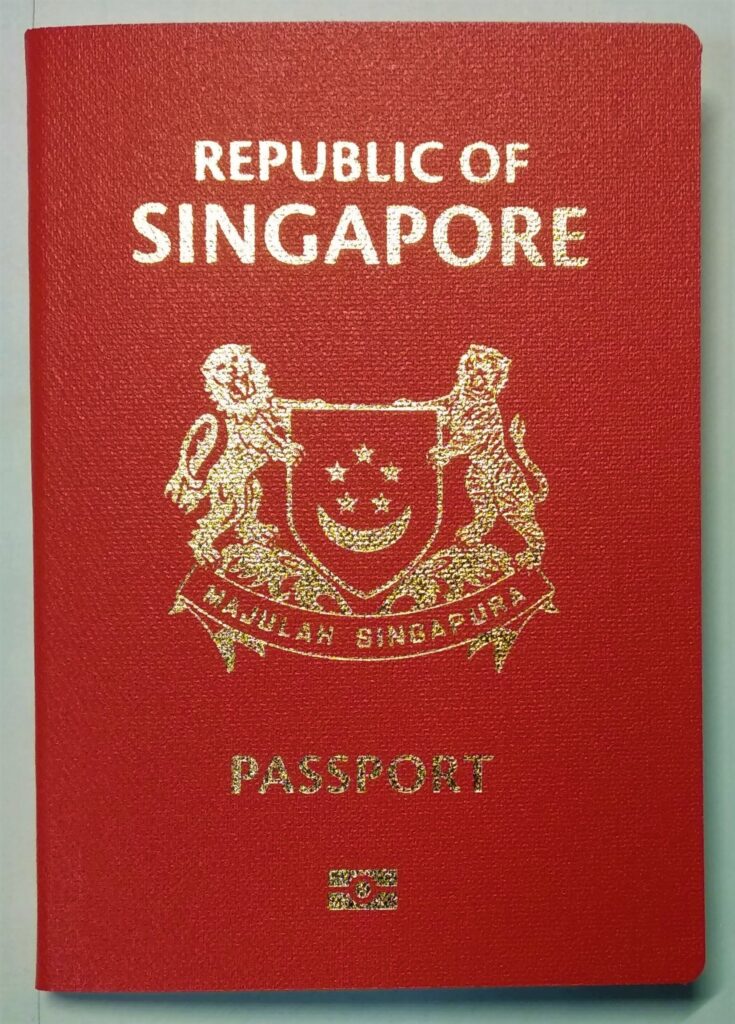
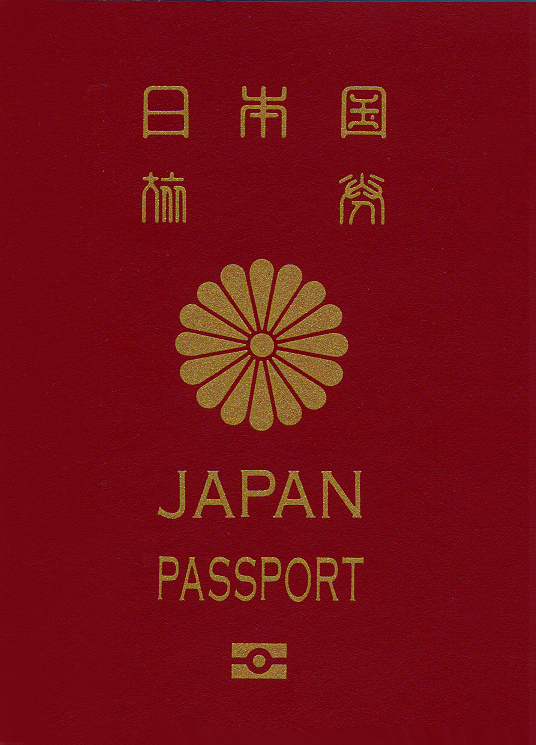
The Henley Passport Index has released its 2025 global ranking of the world’s most powerful passports, with Singapore and Japan taking the top positions.

The index, which ranks passports based on the number of destinations their holders can access without a prior visa, places Singapore and Japan at the top with visa-free access to 193 destinations each. South Korea follows closely in third place, offering access to 190 countries.

Other countries in the top 10 include France, Germany, Italy, and Spain (189 destinations each), followed by Finland, Sweden, the Netherlands, Ireland, Austria, Denmark, Belgium, Luxembourg, Portugal, and Norway, all of which provide access to between 188 and 189 destinations.

The United States, which once held the top position in 2014, now ranks 10th with access to 182 countries, while the United Kingdom sits slightly higher at 186 destinations.

Read Also: Nigeria’s passport jumps to 88th on Global Index

The Henley Passport Index is widely regarded as the authoritative global ranking of passports, measuring mobility based on the number of countries passport holders can visit without needing a visa in advance. It draws on exclusive data from the International Air Transport Association (IATA), the world’s most accurate travel database, and is further refined by the research team at Henley & Partners.

The index, which covers 199 different passports and 227 travel destinations, is updated monthly and has tracked global mobility trends for over 20 years. It serves as a critical reference for governments, analysts, and global citizens assessing the strength of national passports.

Top 50 Countries on the Henley Passport Index 2025 (Visa-Free or Visa-on-Arrival Access)

1.            Singapore (193)

2.            Japan (193)

3.            South Korea (190)

4.            France (189)

5.            Germany (189)

6.            Italy (189)

7.            Spain (189)

8.            Finland (189)

9.            Sweden (188)

10.          Netherlands (188)

11.          Ireland (189)

12.          Austria (189)

13.          Denmark (189)

14.          Belgium (188)

15.          Luxembourg (188)

16.          Portugal (188)

17.          Norway (188)

18.          United Kingdom (186)

19.          Switzerland (187)

20.          New Zealand (187)

21.          Australia (185)

22.          Czechia (185)

23.          Poland (185)

24.          Hungary (185)

25.          Malta (185)

26.          United Arab Emirates (184)

27.          Estonia (184)

28.          Canada (184)

29.          Lithuania (182)

30.          Iceland (182)

31.          United States (182)

32.          Slovakia (183)

33.          Slovenia (183)

34.          Latvia (183)

35.          Croatia (183)

36.          Greece (187)

37.          Cyprus (178)

38.          Romania (177)

39.          Bulgaria (177)

40.          Chile (176)

41.          Argentina (170)

42.          Brazil (170)

43.          Hong Kong (SAR China) (169)

44.          Israel (168)

45.          Barbados (163)

46.          Mexico (159)

47.          Uruguay (157)

48.          Seychelles (156) ← Top in Africa

49.          St. Vincent and the Grenadines (154)

50.          St. Kitts and Nevis (154)

Nigerian passport jumps to 88th on Global Index

Nigeria’s passport has made its strongest showing in five years, climbing to 88th place in the latest Henley Passport Index, released on July 18, 2025.

This marks a steady rise from its 91st position earlier this year and a significant improvement from 97th at the end of 2023. Despite the improved global ranking, Nigerian passport holders still enjoy visa-free or visa-on-arrival access to only 45 countries, a figure that has remained unchanged since last year.

Nigeria now shares the 88th position with Ethiopia and Myanmar, maintaining a similar grouping to that seen in the January edition of the index.

The Henley Passport Index, published quarterly, ranks passports based on data from the International Air Transport Association (IATA) and global geopolitical analysis. It measures the level of travel freedom each country’s passport provides.

Read Also: 12 European countries that offer Nigerians easy visa

While the latest ranking reflects incremental progress, Nigeria’s passport remains in the lower tier in Africa. It ranks above just six countries on the continent: the Democratic Republic of Congo (DRC), South Sudan, Sudan, Eritrea, Libya, and Somalia, the same as in the previous year.

The country’s passport had hit a low point in 2021, placing 103rd globally. It has since shown gradual improvement, moving to 98th in 2022, 90th in mid-2023, and now up to 88th in July 2025.

Seychelles Leads Africa, Singapore Tops the World

Seychelles continues to hold the most powerful passport in Africa, with visa-free or visa-on-arrival access to 156 destinations. However, it dropped slightly in the global ranking, slipping from 22nd in March to 24th in July.

Globally, Singapore retained its No. 1 position, offering access to 193 destinations without a visa. On the other end of the spectrum, Afghanistan remains the world’s least powerful passport, with access to only 25 countries.

The United States, which once topped the ranking in 2014, continues its downward trend and now ranks 10th in the latest index.

Here is a full list of Henley Passport Index Rankings (July 2025 Edition)

  1. Singapore – 193
  2. Japan – 190
  3. South Korea – 190
  4. Denmark – 189
  5. Finland – 189
  6. France – 189
  7. Germany – 189
  8. Ireland – 189
  9. Italy – 189
  10. Spain – 189
  11. Austria – 188
  12. Belgium – 188
  13. Luxembourg – 188
  14. Netherlands – 188
  15. Norway – 188
  16. Portugal – 188
  17. Sweden – 188
  18. Greece – 187
  19. New Zealand – 187
  20. Switzerland – 187
  21. United Kingdom – 186
  22. Australia – 185
  23. Czechia – 185
  24. Hungary – 185
  25. Malta – 185
  26. Poland – 185
  27. Canada – 184
  28. Estonia – 184
  29. United Arab Emirates – 184
  30. Croatia – 183
  31. Latvia – 183
  32. Slovakia – 183
  33. Slovenia – 183
  34. Iceland – 182
  35. Lithuania – 182
  36. United States – 182
  37. Liechtenstein – 181
  38. Malaysia – 181
  39. Cyprus – 178
  40. Bulgaria – 177
  41. Monaco – 177
  42. Romania – 177
  43. Chile – 176
  44. Andorra – 171
  45. Argentina – 170
  46. Brazil – 170
  47. San Marino – 170
  48. Hong Kong (SAR China) – 169
  49. Israel – 168
  50. Brunei – 164
  51. Barbados – 163
  52. Bahamas – 159
  53. Mexico – 158
  54. Uruguay – 157
  55. Seychelles – 156
  56. St. Vincent and the Grenadines – 156
  57. St. Kitts and Nevis – 154
  58. Vatican City – 154
  59. Antigua and Barbuda – 152
  60. Costa Rica – 149
  61. Mauritius – 149
  62. Panama – 148
  63. Trinidad and Tobago – 148
  64. Grenada – 147
  65. Ukraine – 147
  66. Paraguay – 146
  67. St. Lucia – 146
  68. Macao (SAR China) – 144
  69. Dominica – 143
  70. Peru – 143
  71. Taiwan (Chinese Taipei) – 139
  72. Serbia – 138
  73. El Salvador – 135
  74. Guatemala – 134
  75. Solomon Islands – 134
  76. Colombia – 132
  77. Honduras – 132
  78. North Macedonia – 130
  79. Samoa – 129
  80. Tonga – 129
  81. Marshall Islands – 128
  82. Montenegro – 128
  83. Nicaragua – 127
  84. Tuvalu – 127
  85. Bosnia and Herzegovina – 123
  86. Georgia – 123
  87. Kiribati – 123
  88. Micronesia – 123
  89. Palau Islands – 123
  90. Albania – 122
  91. Moldova – 121
  92. Venezuela – 119
  93. Russian Federation – 114
  94. Türkiye – 114
  95. Qatar – 112
  96. South Africa – 103
  97. Belize – 102
  98. Kuwait – 100
  99. Timor-Leste – 96
  100. Ecuador – 94
  101. Maldives – 93
  102. Guyana – 91
  103. Saudi Arabia – 91
  104. Vanuatu – 91
  105. Bahrain – 90
  106. Fiji – 90
  107. Jamaica – 88
  108. Oman – 88
  109. Nauru – 87
  110. Papua New Guinea – 86
  111. Botswana – 85
  112. China – 83
  113. Kosovo – 82
  114. Belarus – 81
  115. Thailand – 81
  116. Kazakhstan – 79
  117. Namibia – 79
  118. Bolivia – 78
  119. Suriname – 78
  120. Lesotho – 76
  121. eSwatini – 74
  122. Indonesia – 74
  123. Dominican Republic – 73
  124. Malawi – 73
  125. Morocco – 73
  126. Azerbaijan – 72
  127. Kenya – 71
  128. The Gambia – 71
  129. Tanzania – 70
  130. Armenia – 67
  131. Benin – 67
  132. Cape Verde Islands – 67
  133. Ghana – 67
  134. Tunisia – 67
  135. Uganda – 67
  136. Zambia – 67
  137. Mongolia – 65
  138. Philippines – 65
  139. Sierra Leone – 65
  140. Kyrgyzstan – 63
  141. Rwanda – 63
  142. Zimbabwe – 63
  143. Mozambique – 62
  144. Uzbekistan – 62
  145. Sao Tome and Principe – 61
  146. Cuba – 60
  147. Togo – 60
  148. Burkina Faso – 59
  149. Cote d’Ivoire – 59
  150. India – 59
  151. Senegal – 59
  152. Gabon – 58
  153. Madagascar – 58
  154. Guinea – 57
  155. Mauritania – 57
  156. Niger – 57
  157. Equatorial Guinea – 56
  158. Tajikistan – 56
  159. Algeria – 55
  160. Mali – 55
  161. Guinea-Bissau – 54
  162. Cambodia – 52
  163. Chad – 52
  164. Comoro Islands – 52
  165. Haiti – 52
  166. Bhutan – 51
  167. Central African Republic – 51
  168. Jordan – 51
  169. Liberia – 51
  170. Vietnam – 51
  171. Cameroon – 49
  172. Egypt – 49
  173. Turkmenistan – 49
  174. Angola – 48
  175. Burundi – 48
  176. Congo (Rep.) – 48
  177. Laos – 48
  178. Djibouti – 47
  179. Ethiopia – 45
  180. Myanmar – 45
  181. Nigeria – 45
  182. Lebanon – 44
  183. Congo (Dem. Rep.) – 43
  184. South Sudan – 43
  185. Iran – 42
  186. Sri Lanka – 42
  187. Sudan – 41
  188. North Korea – 40
  189. Bangladesh – 39
  190. Eritrea – 39
  191. Palestinian Territory – 39
  192. Libya – 38
  193. Nepal – 38
  194. Pakistan – 32
  195. Somalia – 32
  196. Yemen – 32
  197. Iraq – 30
  198. Syria – 27
  199. Afghanistan – 25

10 Countries that welcome entrepreneurs with startup Visas

In an increasingly globalized economy, many countries are opening their doors to foreign entrepreneurs with bold, innovative business ideas. Whether you’re a tech founder, a creative startup visionary, or an investor looking to scale internationally, several nations now offer special entrepreneur or startup visas to attract global talent.

These visa programs often provide a path not just to launch your business, but also to secure residency—and in some cases, even citizenship. While the requirements vary, most emphasize innovation, job creation, and the potential for economic impact.

Here are 10 countries offering entrepreneur-friendly visa options for those ready to take their business global:

1. Canada

Canada’s Start-Up Visa Program is designed for innovative entrepreneurs who can create jobs and compete globally. To qualify, applicants must secure backing from a designated organisation (like a venture capital fund or business incubator), meet language proficiency standards, and demonstrate financial stability. Successful candidates receive permanent residency right from the start.

2. United Kingdom

The UK’s Innovator Founder Visa, which replaced the Start-Up and Innovator visas, targets entrepreneurs with scalable, original business ideas endorsed by an approved organisation. No upfront investment is required, but applicants must prove the idea is viable and innovative. The visa can lead to permanent residency after 3 years.

3. United States

While the U.S. lacks a formal startup visa, the International Entrepreneur Parole (IEP) program allows foreign startup founders to live and work in the U.S. temporarily. To qualify, founders must secure significant investment or government grants and demonstrate potential for job creation. It’s not a direct route to a green card, but it can be a valuable stepping stone.

4. Portugal

Portugal’s Startup Visa targets non-EU entrepreneurs who want to launch innovative tech-based ventures. Applicants must join a certified incubator and show plans for job creation and business scalability. The visa leads to residency and has a path to citizenship after 5 years.

5. Singapore

Singapore offers the EntrePass for foreign entrepreneurs launching venture-backed or innovative businesses, especially in tech, sustainability, and biotech. Backing from a government-recognised incubator or VC is essential. The visa is renewable, and successful applicants can later apply for permanent residency.

6. Australia

Australia’s Business Innovation and Investment Visa (Subclass 188) includes a stream for startup entrepreneurs. Applicants must have a viable business plan and access to adequate funding. The visa can eventually lead to permanent residency under Subclass 888.

Read Also: Easiest countries for Nigerians to get Visa

7. Germany

Germany doesn’t offer a dedicated startup visa, but its Self-Employment Visa allows entrepreneurs to build businesses that provide clear economic benefits. A strong business plan is key. After three years of success, applicants can qualify for permanent residency.

8. Spain

Spain’s Startup Visa, part of its Entrepreneur Law, is available to non-EU founders with innovative business ideas. Approval from Spain’s trade and investment office is required, and the idea must be of high economic interest. It offers residency with a path to long-term stay and citizenship.

9. Ireland

Ireland’s Start-Up Entrepreneur Programme (STEP) is aimed at non-EU founders with high-potential startups, especially in tech, healthcare, and life sciences. Entrepreneurs must show at least €50,000 in funding and present a scalable business plan. The visa grants 2 years of residency, renewable and leading to permanent residency.

10. France

France’s French Tech Visa for Founders supports foreign entrepreneurs backed by a recognised incubator or accelerator. It provides a 4-year renewable residence permit, offers a fast-track process, and allows family members to join. It’s part of France’s larger push to become a startup and innovation hub.

Embassy Alert: Why your U.S. Visa expiry date doesn’t mean it’s time to leave

The United States Embassy in Nigeria has issued an important clarification for Nigerian travellers: the expiry date on a U.S. visa does not determine how long a visitor can stay in the country.

The advisory, shared on the embassy’s official X (formerly Twitter) account on July 17, aims to address a common misunderstanding that has led many international visitors to unintentionally overstay their approved time in the U.S.

According to the embassy, a U.S. visa only allows a traveller to approach a port of entry and request admission—it does not guarantee entry or specify how long a person can remain in the country. That decision is made solely by a U.S. Customs and Border Protection (CBP) officer at the point of entry.

“Reminder! The length of time an international visitor is allowed to stay in United States is determined by the Customs and Border Protection (CBP) officer upon your arrival, NOT your visa expiration date,” the embassy stated. “To see how long you can stay, check your I-94 (admit until date) at i94.cbp.dhs.gov.”

What This Means for Nigerian Travellers

Many travellers mistakenly believe that they can stay in the U.S. until the expiration date printed on their visa—but this is incorrect and can lead to serious immigration consequences, including future visa denials or travel bans.

Instead, visitors should refer to their I-94 record, which is generated when they arrive in the U.S. This form shows the “Admit Until Date”—the actual date by which the visitor must leave the country.

Travellers can check their I-94 status and departure deadline online at i94.cbp.dhs.gov.

The embassy emphasized that staying beyond the “Admit Until Date” could count as a visa overstay, which is a violation of U.S. immigration laws and may affect future travel or visa renewal prospects.

This advisory is part of the U.S. mission’s ongoing public awareness campaign aimed at educating Nigerian citizens on proper travel procedures and preventing avoidable immigration violations.